From the 2026 Fall Journal of the Colorado Dental Association
By Julie Collett, Colorado Dental Association Foundation Manager
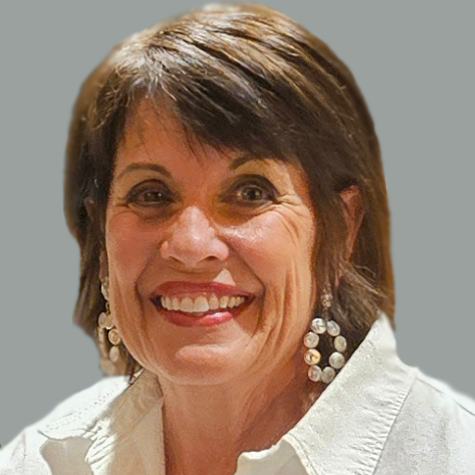
Dr. Tim Ryan grew up in Omaha, NE, in a typical midwestern family where life was centered on hard work, family and enjoying the simple things. Around age seven, Dr. Ryan began to realize that something wasn’t quite right. He knew his brain worked differently, but he didn’t understand why.
He never told his parents. He was afraid of disappointing them and didn’t want them to think something was wrong with him. Instead, Dr. Ryan learned to hide what he was experiencing.
There were tremendous highs when everything seemed to make sense. He felt good, confident and capable, and no one noticed that he was struggling. But then, without warning, he would come crashing down into a low. During those times, he withdrew and hid what he was feeling from his family and friends.
Mental health simply wasn’t something people talked about when Dr. Ryan was growing up. There was a stigma surrounding mental illness, and he learned early on that whatever was happening inside his head was something he needed to keep to himself.
Dr. Ryan attended Creighton Preparatory High School before earning his undergraduate degree at the University of Nebraska. During college, he decided to pursue dentistry. To him, dentistry seemed like an honest profession — one that was respected and would allow him to build a meaningful career. He was accepted into Creighton University School of Dentistry and began what he hoped would be his path to becoming a dentist. What Dr. Ryan didn’t anticipate was how challenging dental school would be while living with undiagnosed bipolar disorder.
The clinical side of dentistry came naturally to him. The mental and emotional challenges were much harder.
Dr. Ryan describes the experience as a constant battle. One day, he could feel like the smartest person in the class. The next day, he could feel like the dumbest. When he was experiencing a high, everything seemed to click. He could understand what the professors were teaching, comprehend dentistry and feel confident in his abilities. But when the lows came, even the simplest things could become overwhelming.
Each day was unpredictable. Dr. Ryan felt as though his success in dental school depended on what kind of day he was having.
Memorization was particularly difficult. He has always had an excellent memory for images, but facts and information were much harder. He had to work differently from many of his classmates to keep up.
He said the only way he made it through those four years was with the help of a group of friends. He studied with them every night, and he credits them with helping him get through dental school. They became an important part of his support system, even though they didn’t know the full extent of what he was experiencing.
Despite everything he was battling internally, Dr. Ryan performed extremely well on his national boards. One day, one of his professors approached him and said, “We just can’t understand you.”
Dr. Ryan smiled, said nothing and walked away.
What his professors didn’t understand was that he had spent the previous four years hiding his mental health struggles from them. He had learned how to appear capable even when he was struggling tremendously behind the scenes.
He believed that if he had revealed that he was mentally ill, he could have been kicked out of dental school. The fear of being labeled, judged or losing everything he had worked for kept him silent.
He wasn’t simply trying to pass dental school. He was trying to survive it while hiding a part of himself that he didn’t yet understand.
Finding His Way in Dentistry
At times, Dr. Ryan enjoyed practicing dentistry. He especially enjoyed prosthodontics and took great pride in caring for his patients, ensuring that he gave every patient the best care possible. There were good days — and there were days that felt overwhelming. Dr. Ryan describes those difficult days as requiring “pure willpower” to get through. Even when he wasn’t feeling well, he showed up for his patients. He wanted to do his job well and never wanted his struggles to affect the people who depended on him.
There were many times when Dr. Ryan simply pretended he was fine. He explained that sometimes he felt as though no one would understand or care because everyone had their own problems to deal with. So he continued to put on a brave face and carry on. Over time, however, the constant struggle began to take its toll.
He believes that living with bipolar disorder played a significant role in his decision to retire from dentistry. It wasn’t one dramatic moment. Instead, it was gradual. He began to recognize that he was becoming burned out and that something needed to change. After approximately 30 years in dentistry, he made an unexpected change.
He became a singer/songwriter…
From Dentistry to Music

Dr. Ryan had never written a song in his life. He had never considered himself a singer. But sometimes life takes us in directions we never expected.
Dr. Ryan happened to be in the right place at the right time when he met Johnny, a bass player for W.A.S.P.. He didn’t know who Johnny was when they met. The two began talking, and Johnny asked him if he could write lyrics.
That simple question opened a new door. Dr. Ryan began writing lyrics about his life, his experiences and what it was like living with bipolar disorder. His songs became a way to express the emotions he had spent so many years hiding.
Each song reflects a different part of his journey — the highs, the lows, the confusion, the exhaustion and the emotional swings that have shaped his life. Music gave him something he had never had before: a way to tell his story.
Today, Dr. Ryan has assembled a band that includes talented musicians who have performed with well-known artists. What began as an unexpected conversation became a new chapter in his life.
The Importance of Asking for Help
When Dr. Ryan was asked whether there are people who can help him when he is struggling, his answer was honest. He acknowledged that it can be difficult for others to be around him during those times. His mood can change, and the people who care about him may not always understand what is happening or know how to help.
That is part of what makes mental illness so isolating. He knows there are still dental students struggling with their mental health. He also knows that some are afraid to ask for help because the stigma surrounding mental illness has not completely disappeared.
His message is simple: You cannot hide it forever. And it is better to get help sooner rather than later.
Dr. Ryan wishes he had understood that when he was seven years old. He wishes he had understood it in dental school. He wishes he had felt safe enough to ask for help without worrying about being judged or labeled. Today, he has chosen to use his experiences to help others.
Turning His Experience into a Gift for Others
The Colorado Dental Association Foundation is deeply grateful to Dr. Ryan for his
generosity and for sharing his story so openly. His generous gift of $200,000 will help establish a wellness program designed to support dental students and dentists who may be struggling with mental health, stress, burnout and the many challenges that come with the profession.
Dr. Ryan’s story is a reminder that behind the white coat, the dental chair, the credentials and the professional title is a person — and sometimes that person is struggling in ways no one can see. For decades, Dr. Ryan hid his pain because he was afraid of what people might think. Today, he is choosing something different. He is choosing to talk about it. He is choosing to help others. And most importantly, he is helping create a future where a dental student or dentist who is struggling doesn’t have to suffer in silence. Sometimes the greatest gift we can give others is the courage to tell our own story.