The CDA had a very successful 2026 state legislative session, thanks to the dedication and direct advocacy of CDA members and the work of CDA staff and contract lobbyists.
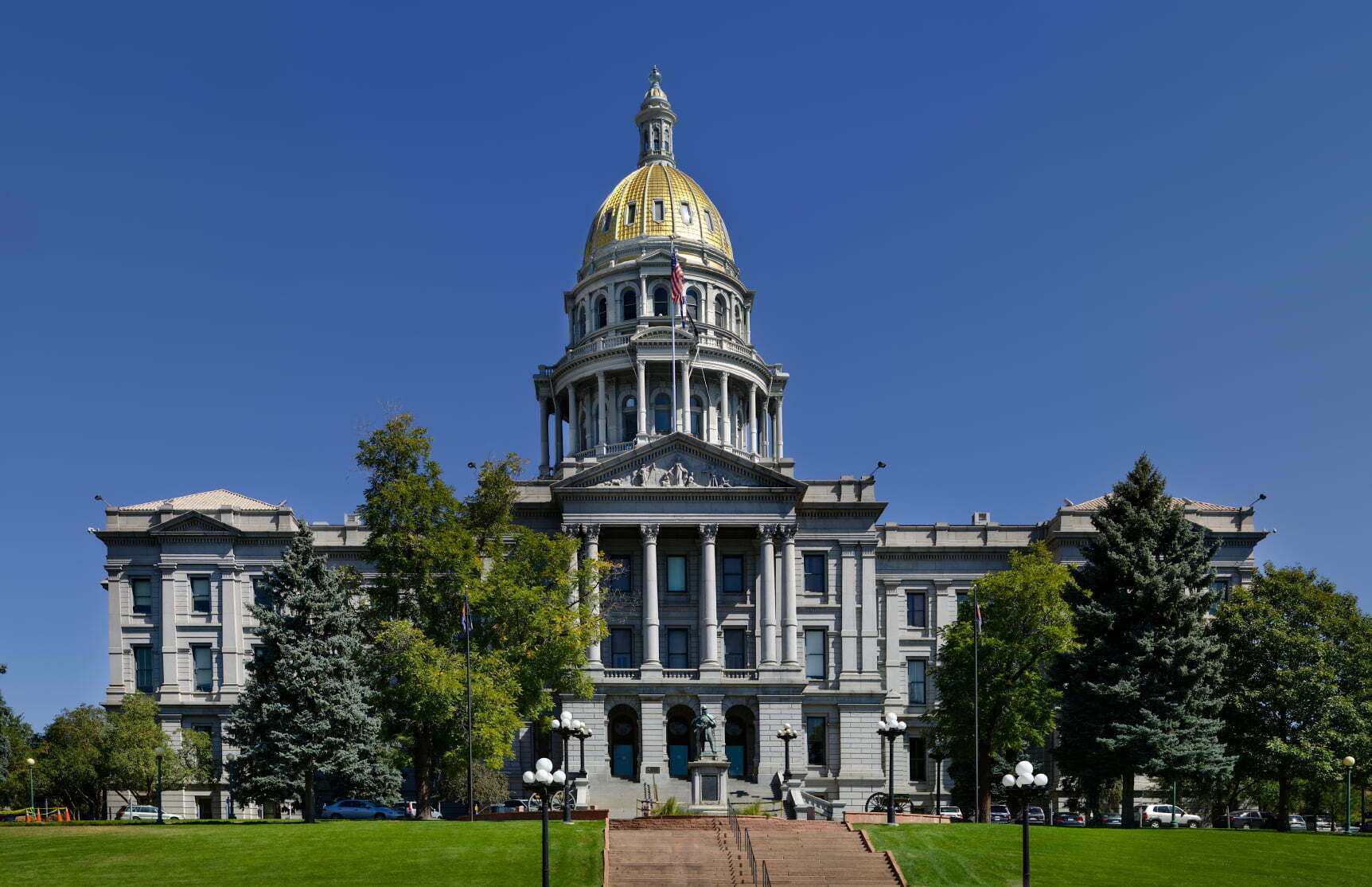
Denver Colorado Capitol in Summer 2010. View from Civic Park.
This year, the CDA achieved passage of dental insurance reform in House Bill 1070, which addresses the practice of network leasing (also known as “umbrella plans”) by insurance carriers. With the passage of this bill, Colorado has the strongest and most comprehensive dental network lease law in the country.
The CDA was also successful in defending against policies that would have been harmful to dental practices and access to safe dental care. Through testimony at the legislature and strong lobbying efforts, the CDA helped defeat a proposal to unreasonably narrow a dental practice (or other healthcare practitioner’s) ability to collect legitimate medical debt. Separately, the CDA also defended against efforts to undermine uniform dental licensure requirements in Colorado, particularly as it pertains to a requirement for CODA-accredited dental education.
We are thrilled with the results we were able to achieve this year on behalf of our members.
Dental Insurance Reform
In 2026, the CDA took on proactive insurance reform legislation to address the issue of network leasing, also known as umbrella plans, through House Bill 1070. Network leasing is an arrangement where one insurance carrier agrees to share/lease its dentist network, or a portion of it, with another carrier. This can happen without the informed knowledge or consent of the dentist and can create confusion for dentists and patients, ultimately interrupting patient care. CDA’s bill will require explicit, separate opt-in consent from a dentist to allow a dental insurance carrier to use network leasing. It will also require clear disclosure on this matter from dental insurance companies to dentists and patients.
Major Bill Provisions:
- Require affirmative consent from a dentist before their dental care services can be leased
- Insurance carriers must provide updates on leased networks and third parties using leasing
- Third parties must have same terms and conditions as contracted carrier
The bill passed the House and Senate with strong support and was signed by the Governor April 13. The new law will go into effect on Aug. 12, 2026. It will apply when a contract between a carrier and a provider is entered into, renewed, or extended, or whenever there is a material modification to the contract relevant to granting access to a third party.
Medical Debt Collection
The CDA successfully defeated legislation that would have put unreasonable requirements on dental offices regarding medical debt collection. House Bill 1267 would have made it extremely difficult to collect on debt derived in a healthcare setting. While intended for patient protection from major medical debt, this bill would have created overly restrictive and cumbersome requirements, especially for smaller provider types such as dental offices. The CDA shared its deep concerns with this proposal and worked with our lobbyists to share this opposition with legislators. Due to these lobbying efforts and thanks to CDA members who testified in opposition, House Bill 1267 was killed in the House Health and Human Services Committee.
Dental Licensure Requirements
The CDA defended against two separate bills that would each propose to essentially remove the uniform requirement for CODA-accredited training to obtain a dental license in Colorado. This was being pursued in House Bill 1324 and House Bill 1431. While neither bill specifically targets dentistry, because they would have impacted all regulated professions in Colorado, both bills would have given authority to the state Department of Regulatory Agencies (DORA) or a professional board to license internationally trained professionals without meeting the statutory requirements for that profession — like CODA-accredited education for dentistry.
This issue may sound familiar, as the CDA dealt with the same concern last year in our Dental Practice Act Sunset legislation (SB25-194). Despite pressure from the Governor’s office last year to pass this policy, the CDA successfully defended having the CODA-accredited education standard remain in the Dental Practice Act. Hundreds of CDA members sent emails urging the Governor to back away from pushing this policy, which helped the CDA’s success.
This session, with support from CDA members’ testimony in committee hearings, the CDA was successful in preventing this harmful proposal to loosen licensure requirements in both bills. In each case, the CDA succeeded in securing amendments to the bills that stripped out language which would have otherwise given broad discretion to DORA to determine alternative criteria for licensure.
Post written by Lauren Harvey, CDA government relations director.